

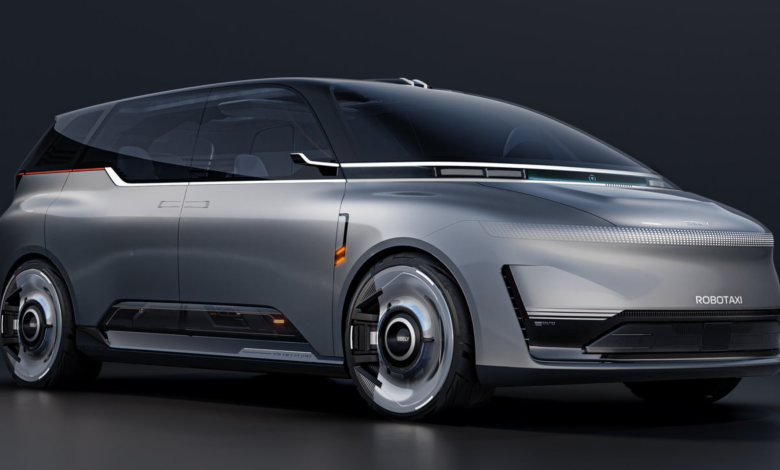
At the Beijing Auto Show 2026, one of the most forward-thinking reveals didn’t come in the form of a supercar or luxury SUV, but a fully autonomous taxi built from the ground up.
Meet the Eva Cab, a bold new robotaxi concept from Geely that signals a decisive shift toward purpose-built autonomous mobility.
Built for Autonomy, Not Adapted for It
Unlike many current robotaxi projects that retrofit existing production vehicles, the Eva Cab is engineered from day one for Level 4 autonomous driving. There’s no steering wheel. No driver controls. No compromise.
Its pod-like exterior, paired with wide-opening electric sliding doors, prioritises accessibility and efficiency, key traits for urban mobility fleets. Inside, Geely adopts a face-to-face seating layout for four passengers, transforming the cabin into a shared, social space rather than a traditional driving environment.
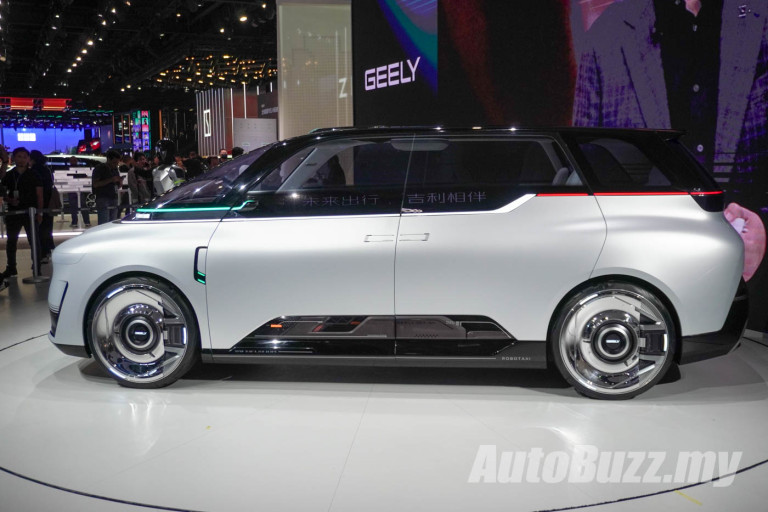
Premium design elements such as the “Galaxy Skyroof” and artistic interior trims hint that autonomy doesn’t mean sacrificing comfort or experience.
A Rolling Supercomputer on Wheels
Underpinning the Eva Cab is Geely’s advanced EEA 4.0 architecture, described as a “Quantum-Grade AI Electrical/Electronic Architecture.” This isn’t just marketing speak; it represents a major leap in how vehicles process, secure, and act on data.
The system integrates high-performance chips from NVIDIA and Qualcomm, delivering over 3,000 TOPS (trillions of operations per second) of computing power. That’s more than enough to support real-time decision-making in complex urban environments.
Combined with Geely’s proprietary World Action Model (WAM), the Eva Cab doesn’t just “see” the road, it interprets and reacts with a level of reasoning designed to mimic human drivers.
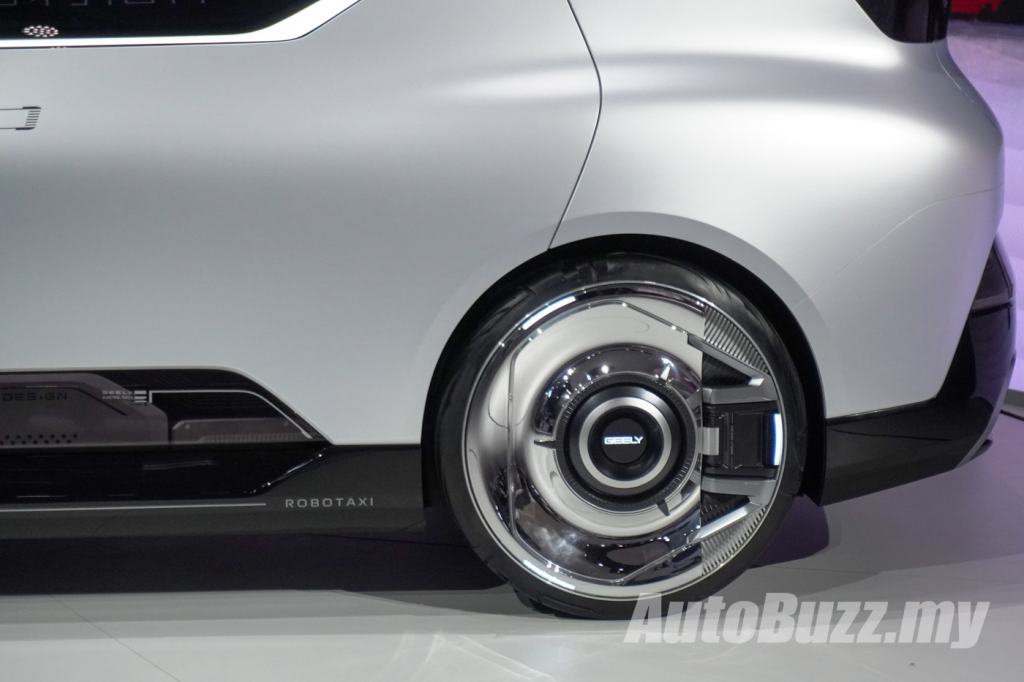
Seeing Everything, Missing Nothing
A key highlight is its next-generation sensing capability. The Eva Cab features a 2,160-line digital LiDAR system with a detection range of up to 600 metres, alongside a comprehensive suite of cameras and sensors.
Together, these create a 360-degree perception field designed to eliminate blind spots and maintain constant awareness of surrounding traffic, pedestrians, and unpredictable obstacles.
Geely claims the system can handle up to 99% of real-world driving scenarios, including unstructured roads and complex urban conditions.
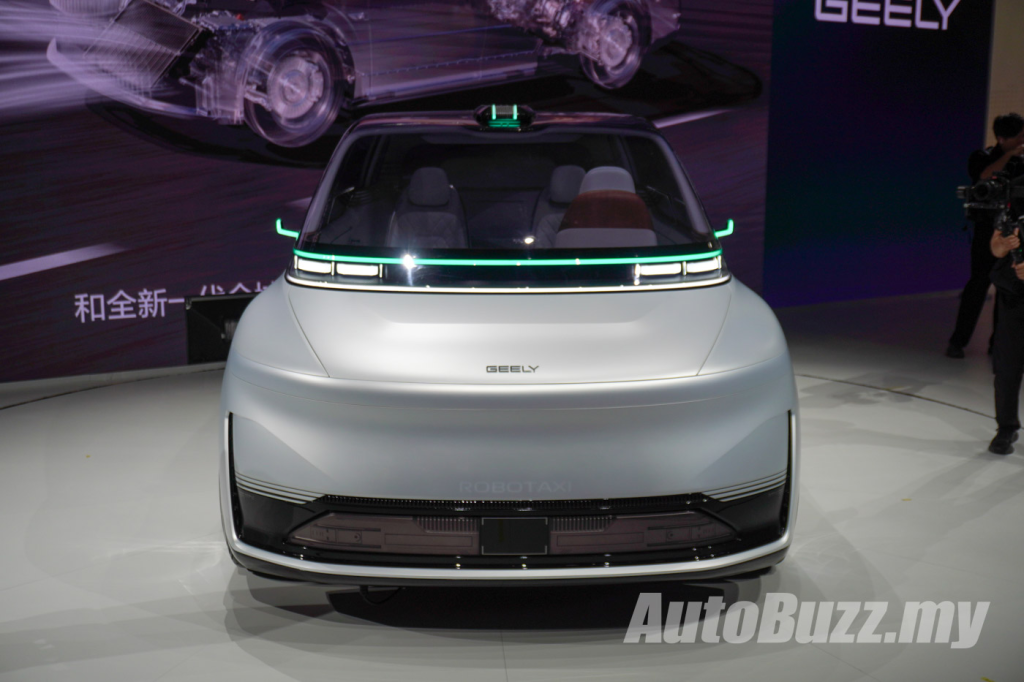
Safety Moves From Passive to Predictive
Safety in the Eva Cab goes beyond airbags and crumple zones. Its AI-powered digital chassis can respond in as little as 4 milliseconds, enabling proactive risk avoidance rather than reactive protection.
The platform also introduces SOVD (Service-Oriented Vehicle Diagnostics), allowing continuous monitoring and predictive maintenance, crucial for fleet-based autonomous services.
Notably, Geely has secured the industry’s first ISO 8800 AI Safety certification, reinforcing its ambition to lead not just in innovation, but in trust.
From Pilot Cities to Real-World Deployment
The Eva Cab isn’t just a concept, it’s already been tested extensively in cities like Hangzhou and Suzhou through CaoCao Mobility, Geely’s mobility arm.
Looking ahead, a production-ready version is targeted for 2027, marking the beginning of large-scale robotaxi deployment.
The Bigger Picture
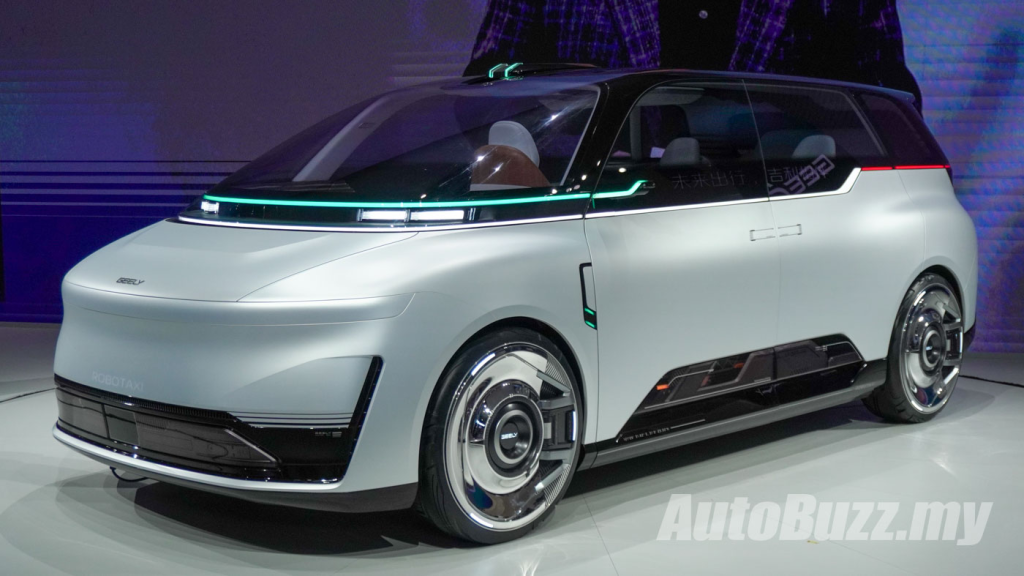
The unveiling of the Eva Cab signals more than just a new vehicle, it reflects a broader transformation in the automotive industry.
As manufacturers shift from selling cars to delivering mobility services, purpose-built autonomous vehicles like the Eva Cab could redefine how cities move.
And if Geely’s vision becomes reality, the question may no longer be if robotaxis will become mainstream, but how soon they will replace traditional urban transport.