BIMS 2026: Record-Breaking Bookings Signal a Power Shift in Thailand’s Auto Industry

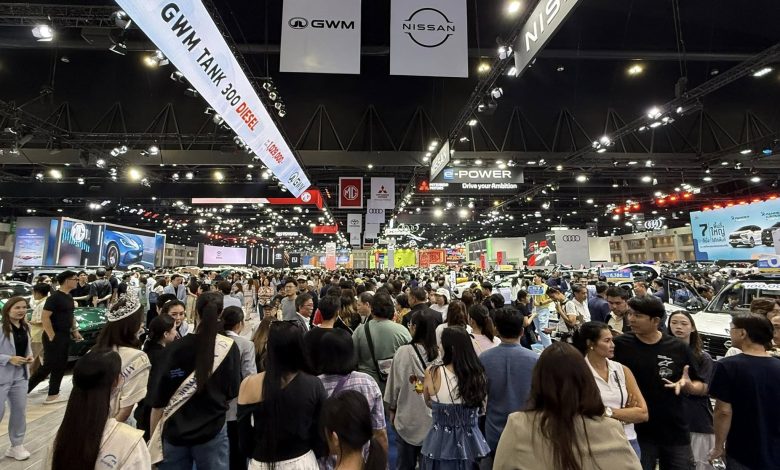
The Bangkok International Motor Show 2026 (BIMS 2026) has officially wrapped up, but beyond the crowds and showcases, one story stands out above all, a major shift in market leadership.
Preliminary booking figures collected directly from each booth and reported by leading Thai automotive media reveal a clear trend: Chinese automakers are now dominating Thailand’s automotive demand.
BYD Leads the Market by a Wide Margin
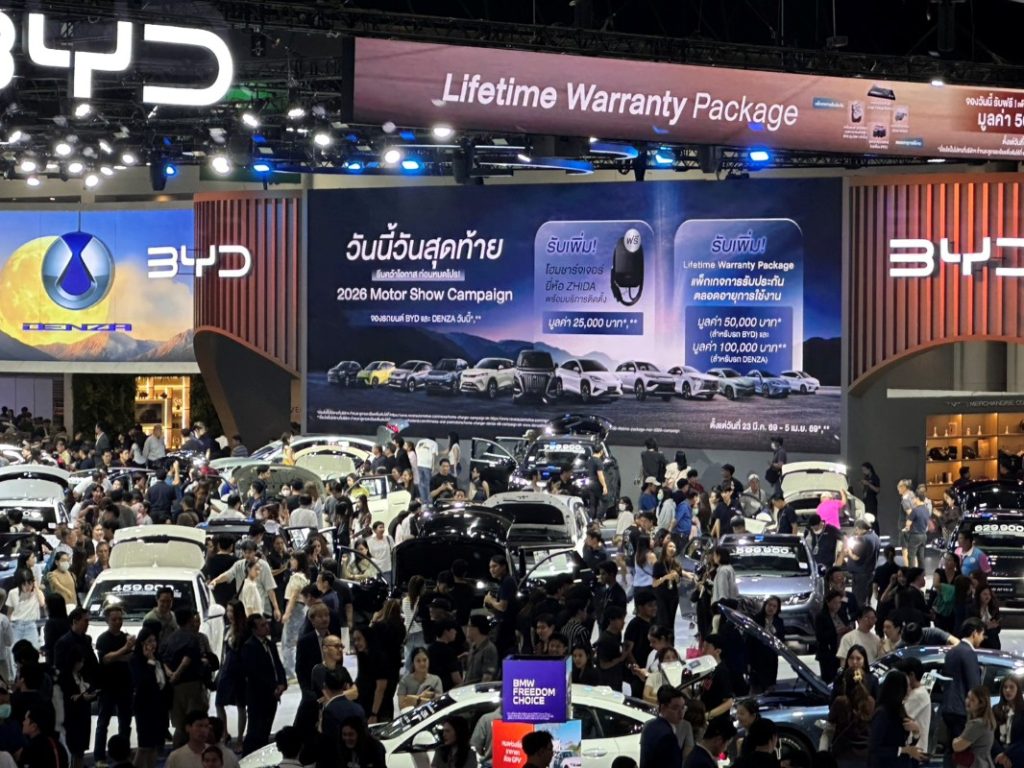
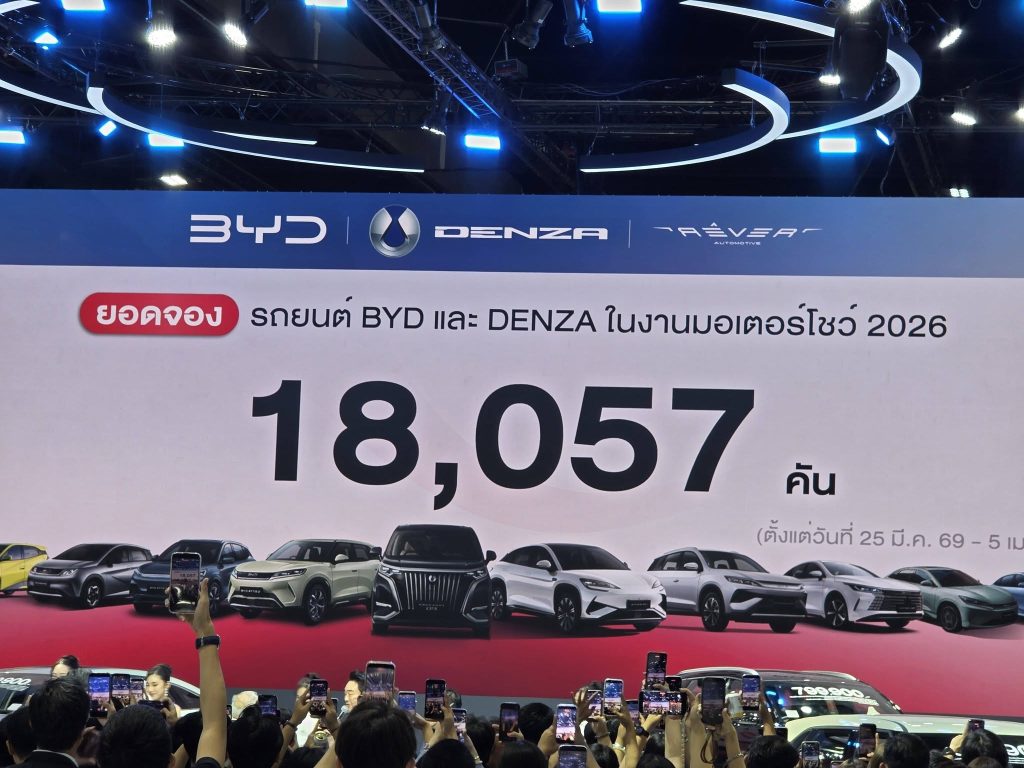
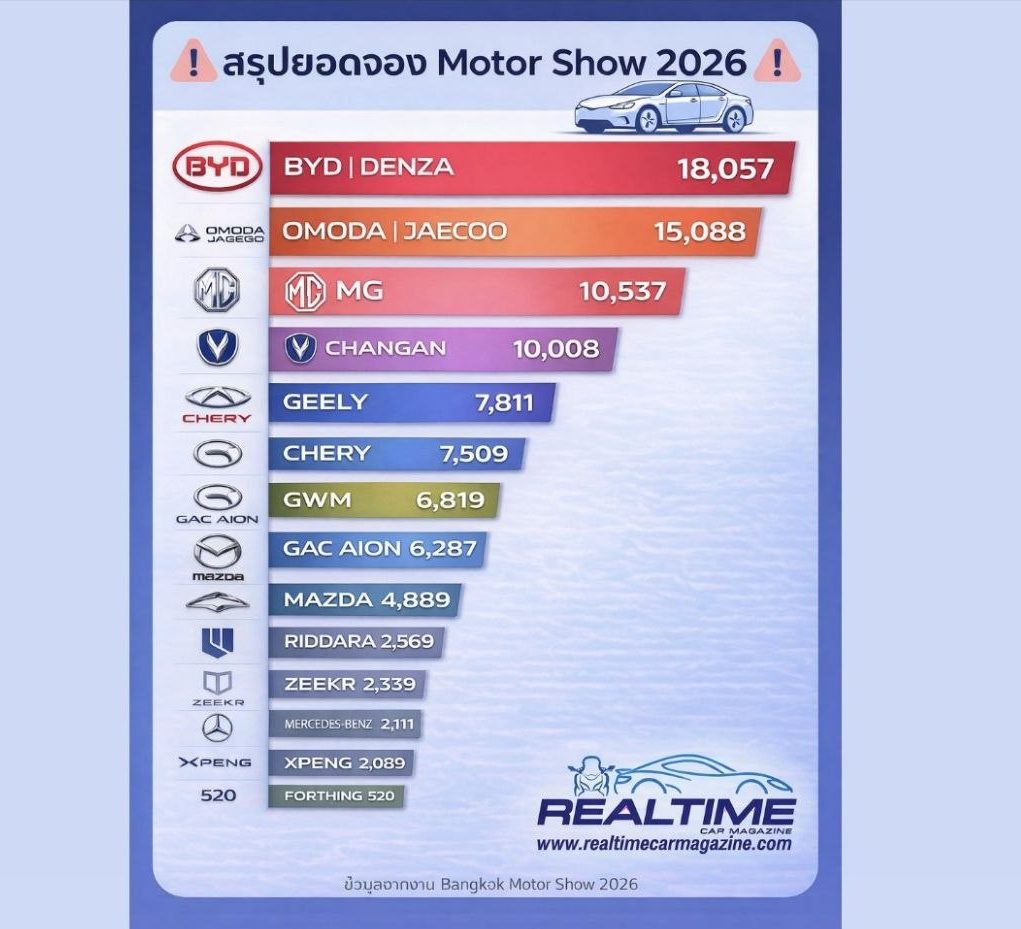
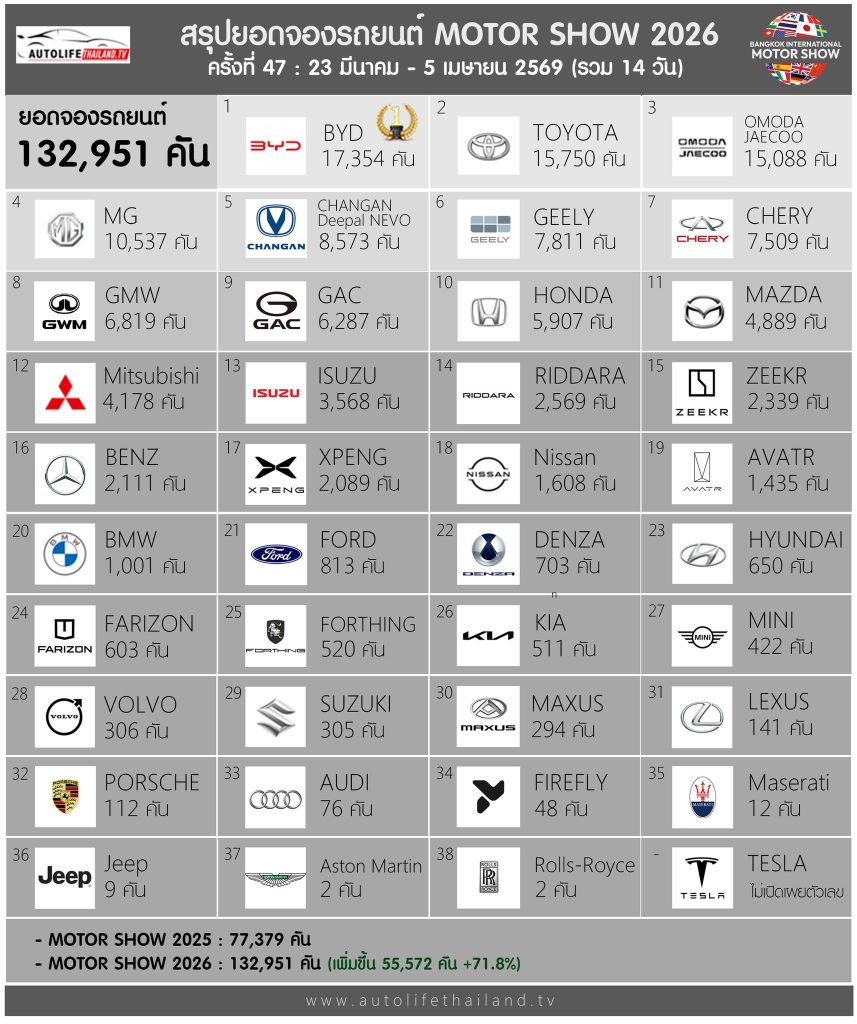
At the top of the leaderboard, BYD together with Denza recorded an outstanding 18,057 bookings, making them the clear market leader at BIMS 2026.
This achievement highlights BYD’s growing dominance in Thailand, supported by strong EV adoption, competitive pricing, and an expanding product lineup tailored for the region.
Omoda & Jaecoo Continue Their Rapid Rise
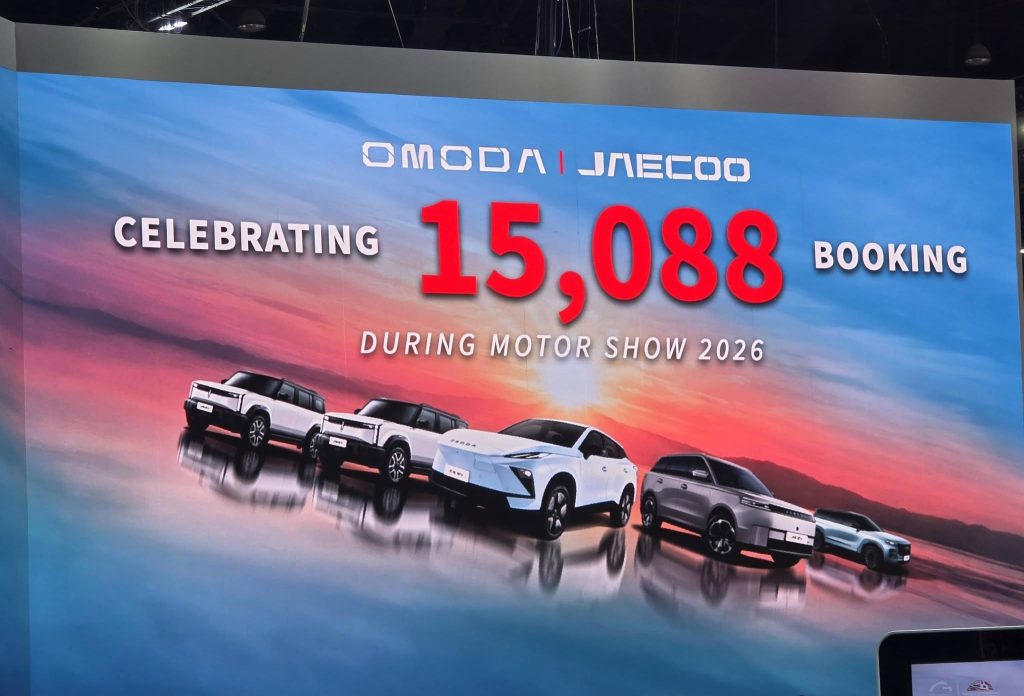
Following closely behind, Omoda & Jaecoo secured 15,088 bookings, reinforcing their position as one of the fastest-rising brands in Southeast Asia.
Their success reflects a changing consumer mindset, one that increasingly values technology, design, and affordability over traditional brand loyalty.
Chinese Brands Dominate the Top Rankings
The dominance of Chinese automakers becomes even more evident across the leaderboard:
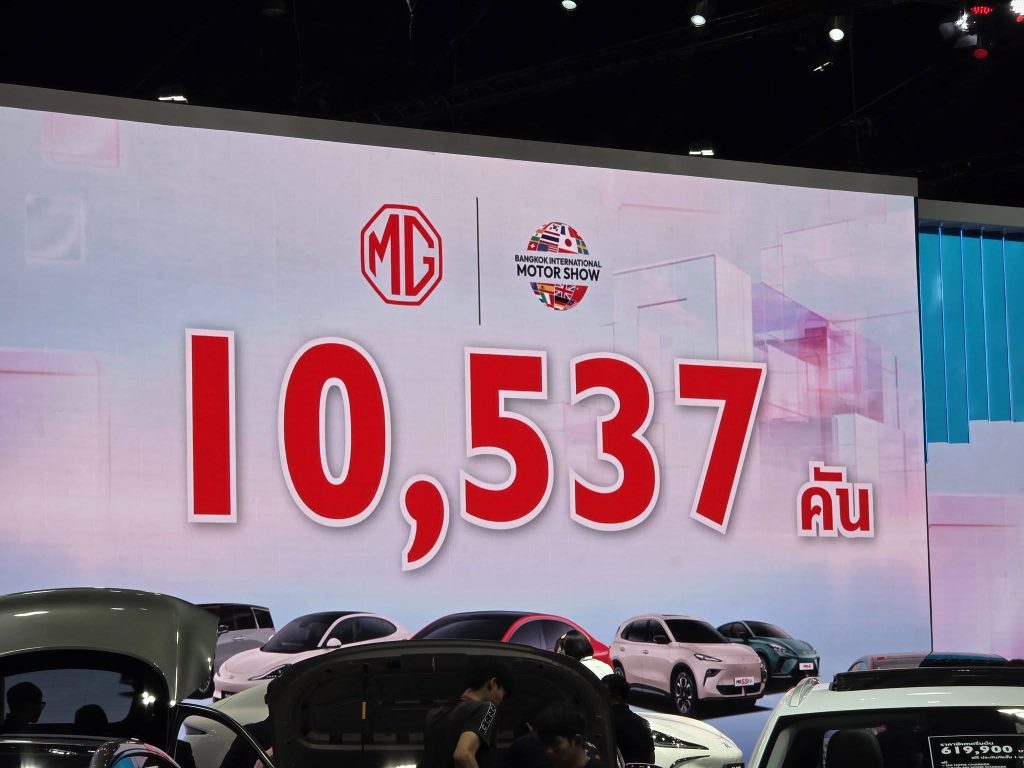
- MG (incl. IM) – 10,537 units
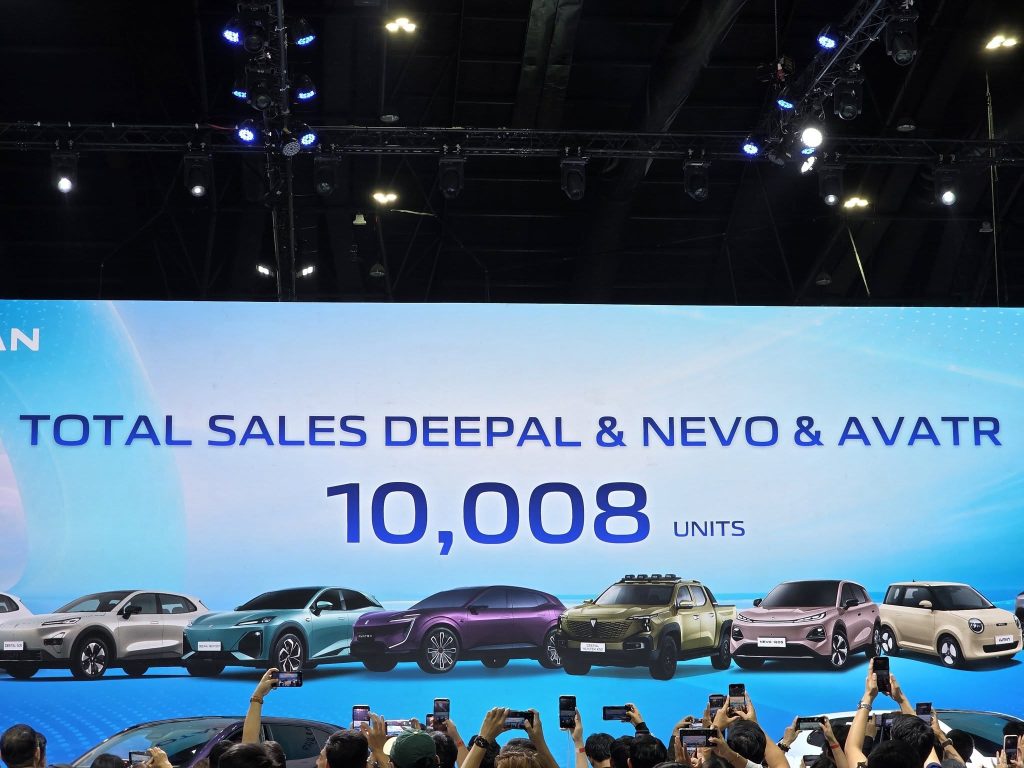
- Changan Automobile (Deepal / Nevo / Avatr) – 10,008 units
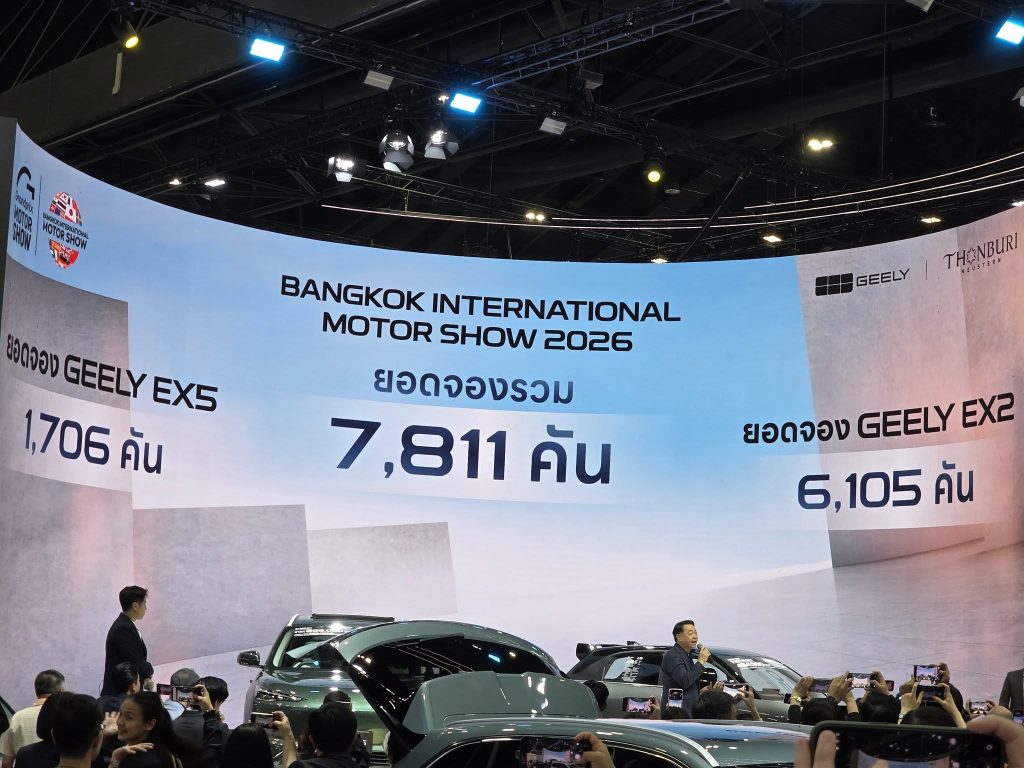
- Geely – 7,811 units
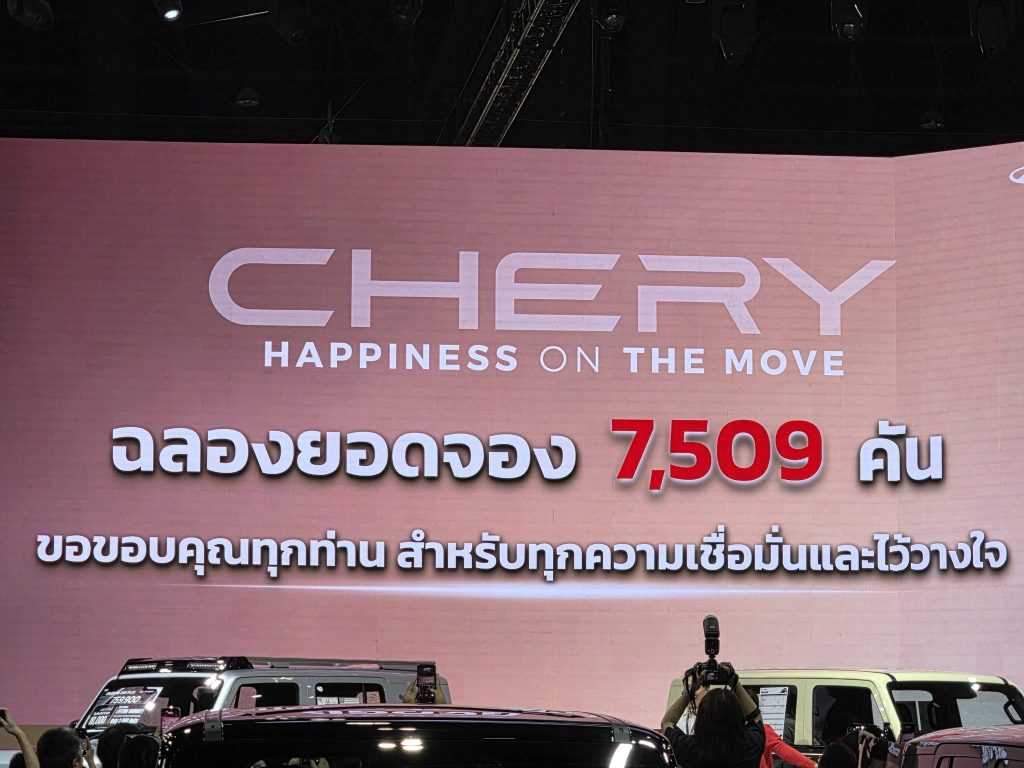
- Chery – 7,509 units
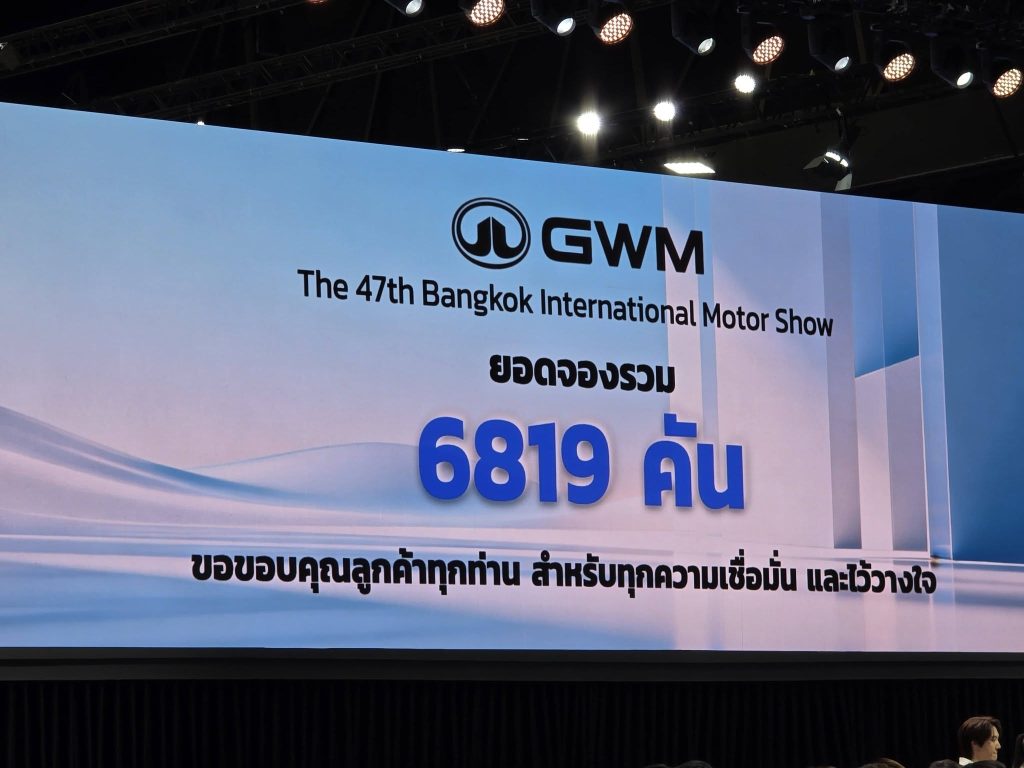
- Great Wall Motor – 6,819 units
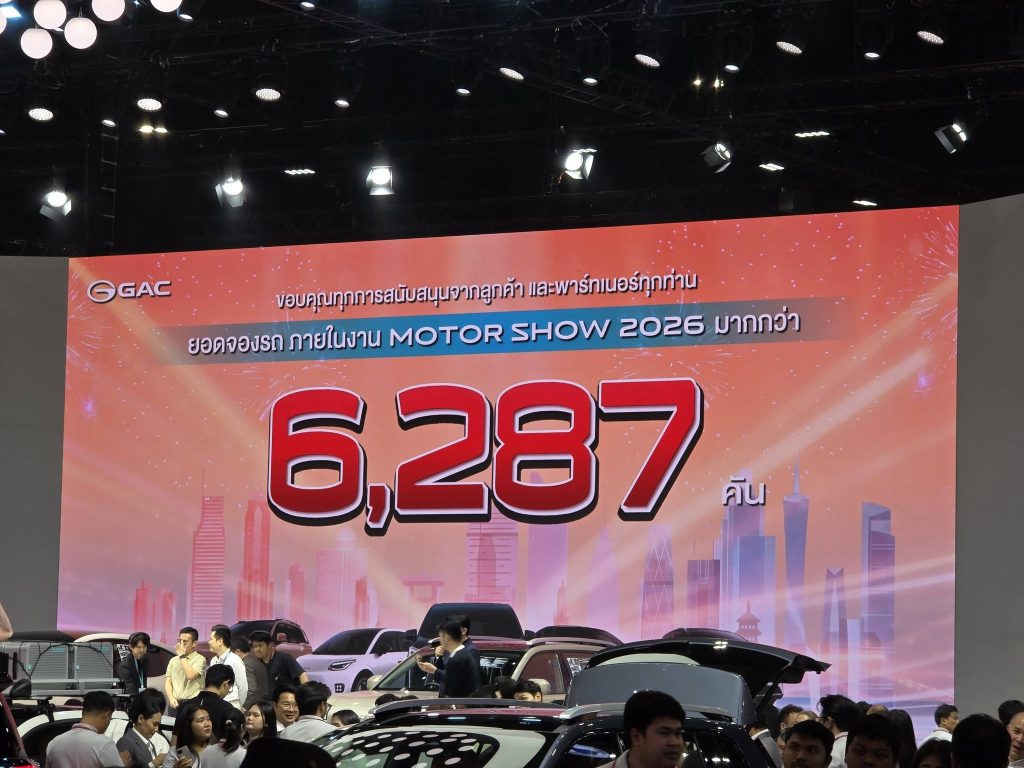
- GAC Group (Aion / Hyptec) – 6,287 units
These figures confirm that Chinese brands are not just participating, they are leading in volume, momentum, and consumer interest.
Other Notable Performances
Other brands also recorded solid figures:
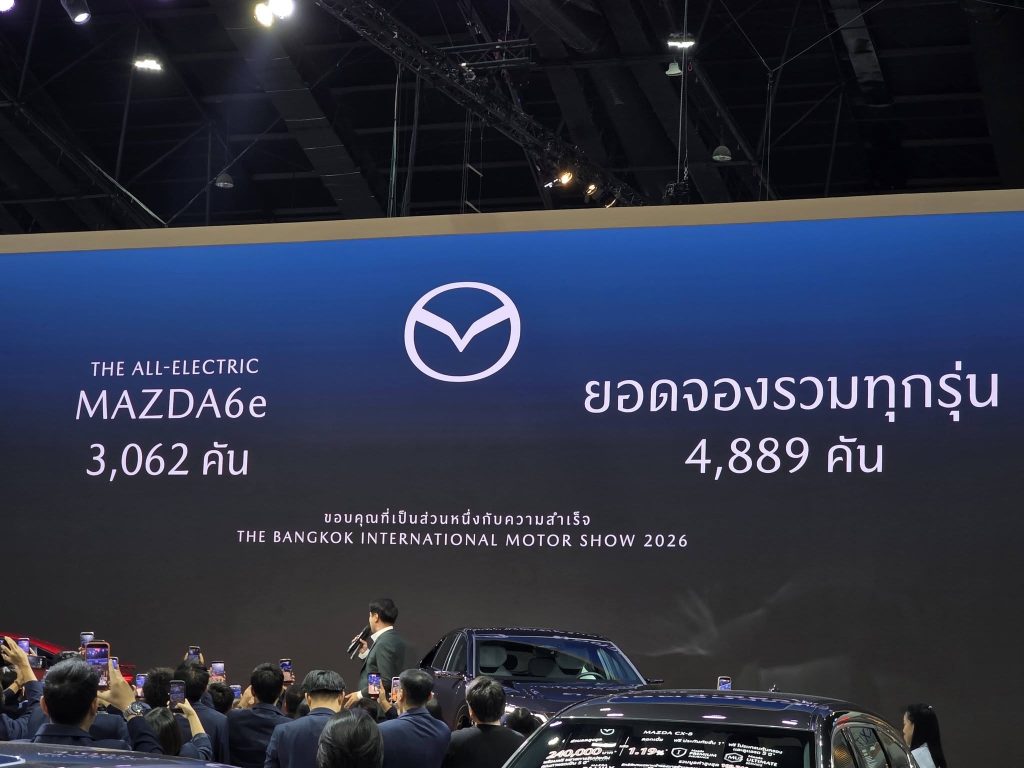
- Mazda – 4,889 units
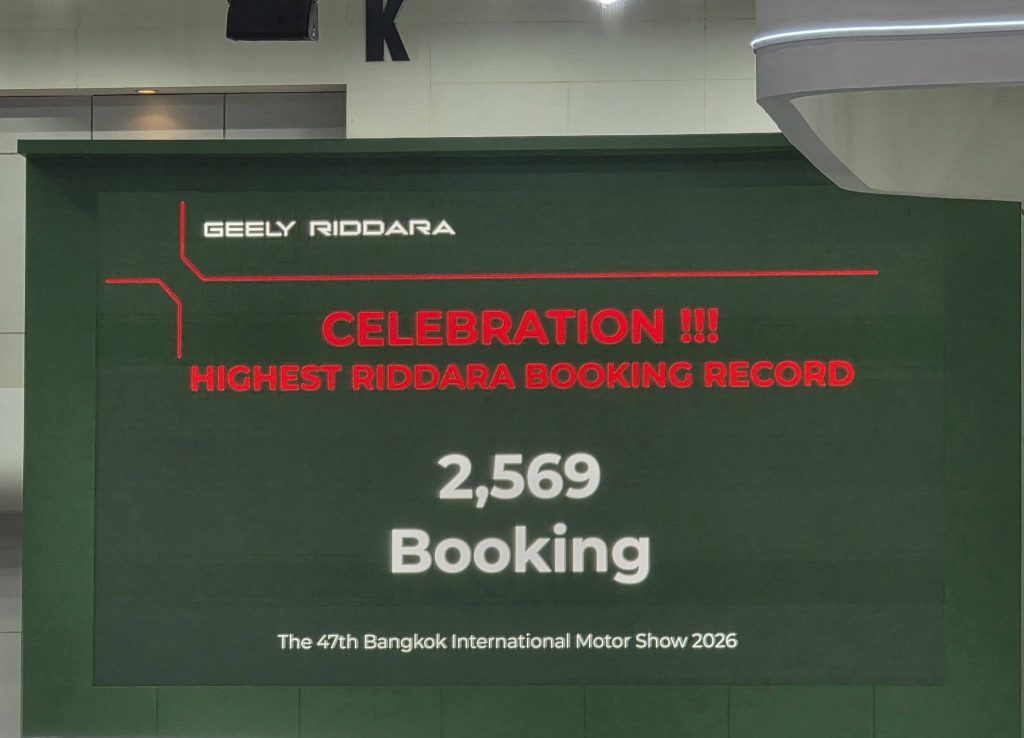
- Riddara – 2,569 units
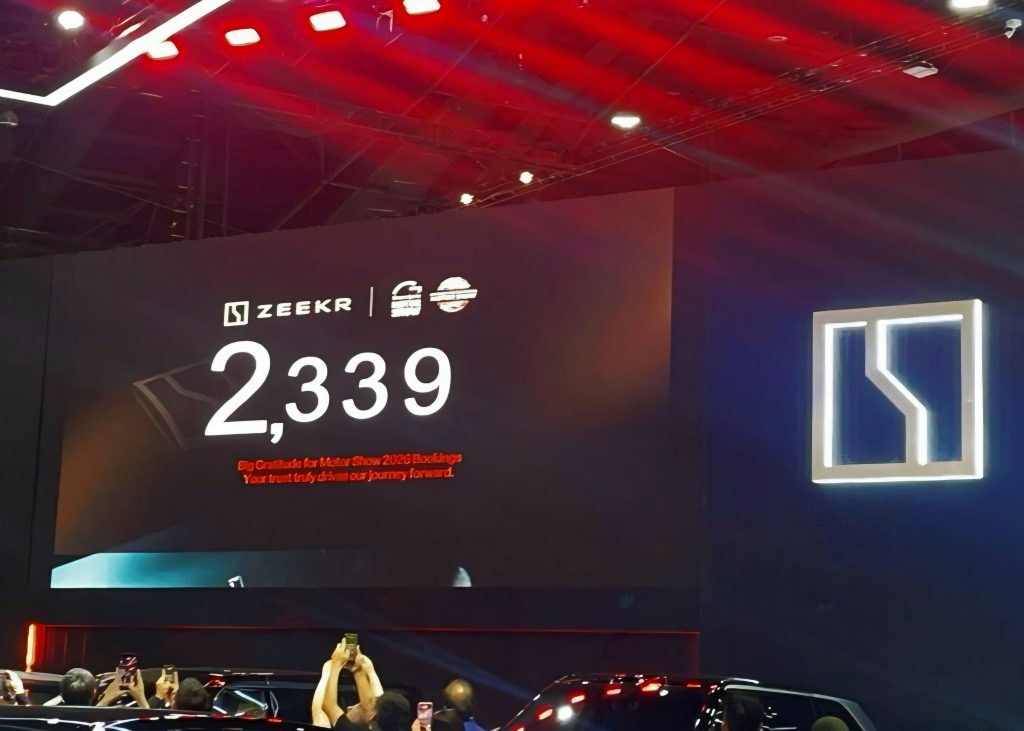
- Zeekr – 2,339 units
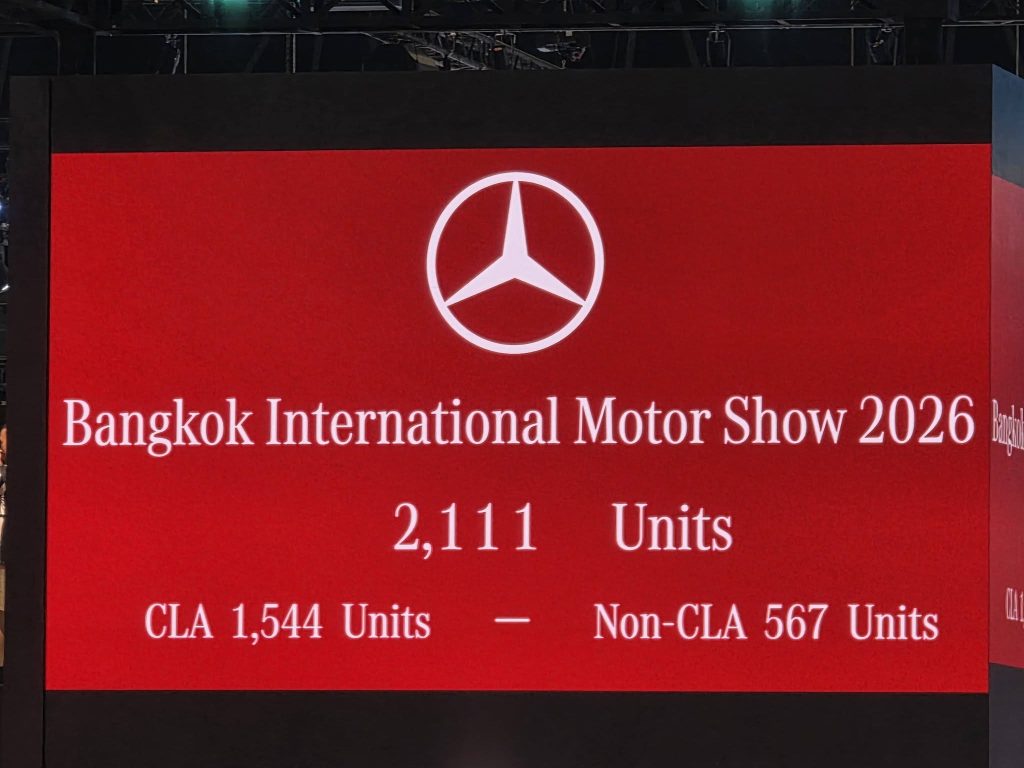
- Mercedes-Benz – 2,111 units
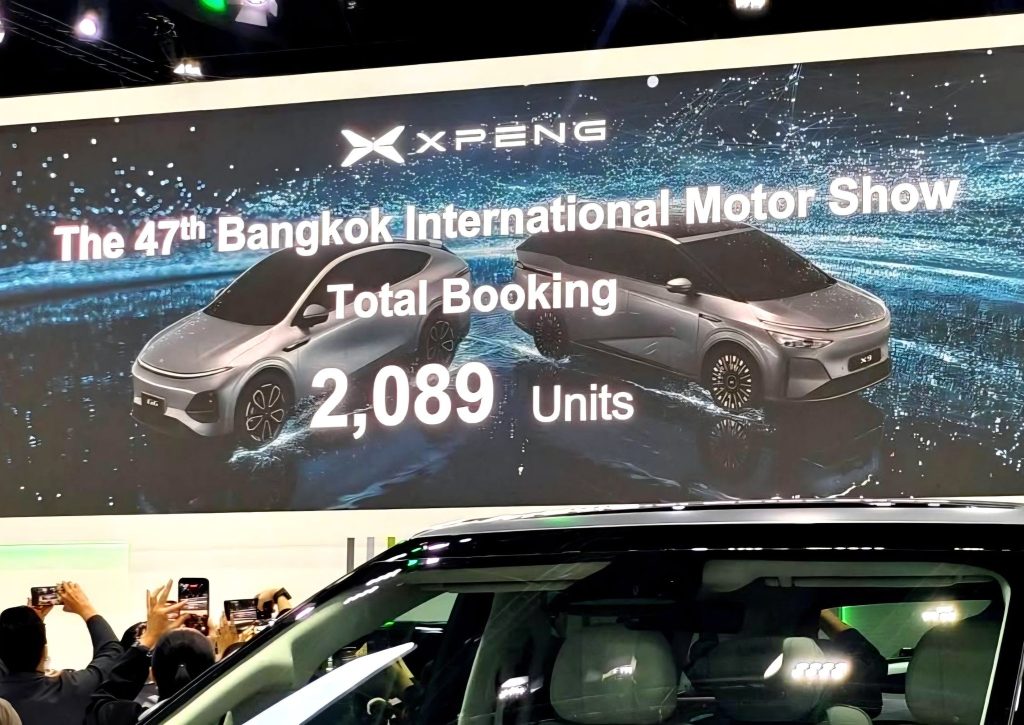
- XPeng – 2,089 units
A Market at a Turning Point
What makes BIMS 2026 particularly significant is not just the total bookings, but what they represent.
Thailand has rapidly positioned itself as a regional EV hub, with strong infrastructure, government support, and increasing consumer confidence in electric vehicles. Chinese automakers have capitalised on this environment faster than traditional competitors.
The Bigger Picture
The results from Bangkok International Motor Show 2026 suggest that the balance of power in the ASEAN automotive industry is shifting.
For decades, Japanese brands dominated the region. Today, Chinese automakers are not only catching up, they are leading in key markets like Thailand.
Final Thoughts
BIMS 2026 may well be remembered as the moment when the industry’s direction became clear.
And if current trends continue, this shift is only just beginning.